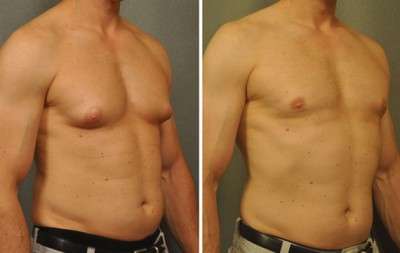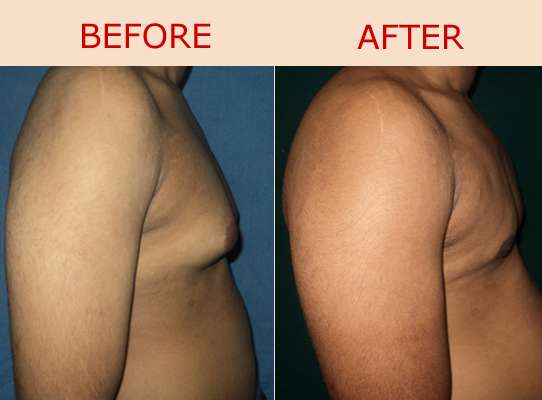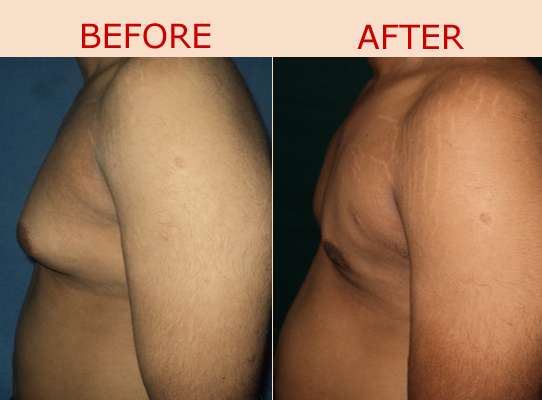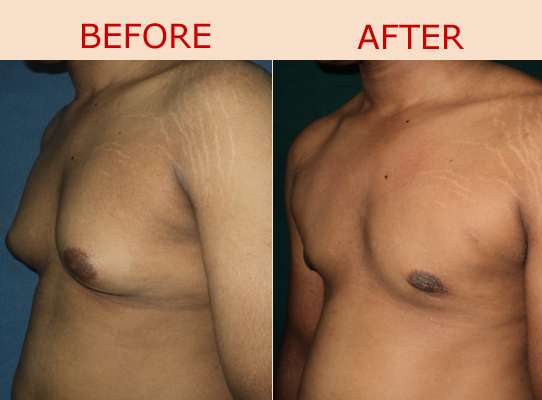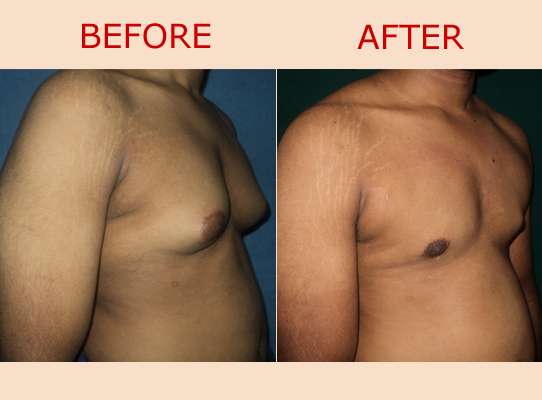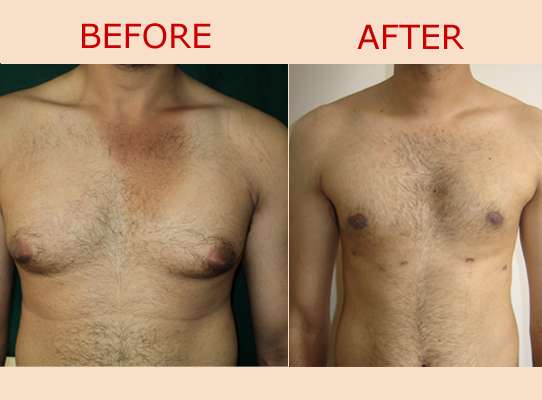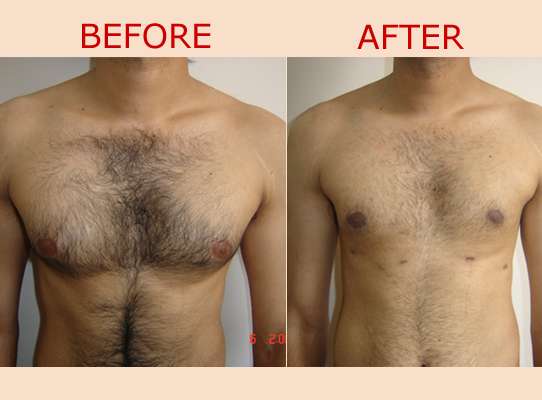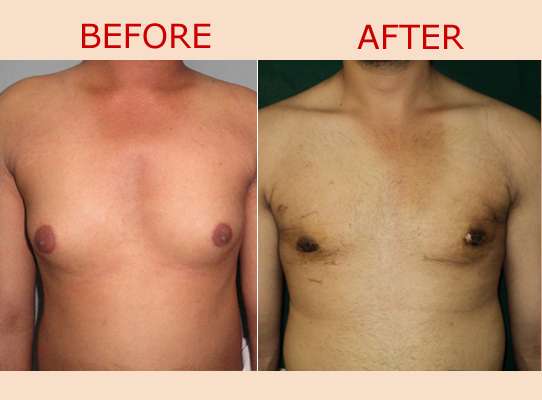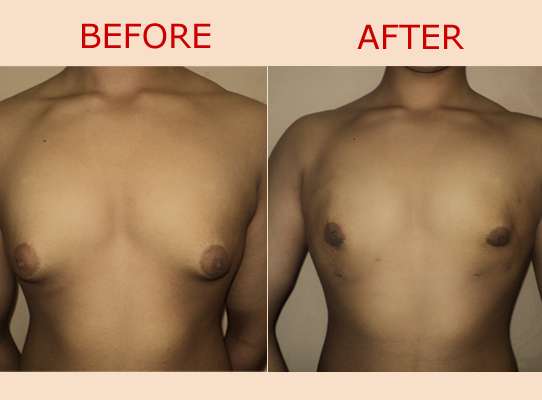

Struggling With Enlarged Male Breasts or Man Boobs? No need to Feel Embarrassed any longer! Gynecomastia—or the development of enlarged breast tissue in men—can feel frustrating, embarrassing, and even isolating. Whether it's making you avoid fitted clothes or feel uncomfortable at the beach, this condition affects more than just your appearance. It can take a serious toll on your self-esteem.
Male breast reduction is a surgical procedure that removes excess fat, glandular tissue, and sometimes skin from the chest. The result is a more masculine chest contour that looks and feels natural.
Gynecomastia can occur due to hormonal imbalance, genetics, medications, or lifestyle factors. While exercise and diet help reduce body fat, they often can’t target glandular tissue specifically. That’s where this procedure becomes a game-changer.
What Makes Male Breast Reduction Worth Considering?
Gynecomastia can deeply affect your day-to-day life. From avoiding gym sessions to skipping social events, many men feel trapped in their bodies. This procedure offers a permanent solution.
At Radiant Roots – Hair Transplant & Aesthetic Surgery Centre, we understand how personal this concern is. That’s why we offer advanced, discreet, and effective male breast reduction in Mangalore—a safe solution to help you achieve a flatter, firmer, and more sculpted chest.
Dr. Chandra performs male breast reduction using the latest surgical techniques and technology. The approach may vary based on the severity of gynecomastia.
Every procedure is customized based on the patient’s anatomy and aesthetic goals.
You may be a good candidate for male breast reduction if you:
A consultation with Dr. Chandra will confirm your eligibility.
Hair Transplant starting @ Rs. 40,000/- only
You don’t have to hide your body or feel uncomfortable anymore. Male breast reduction in Mangalore is a safe, permanent, and transformative solution, and Radiant Roots is here to guide you through it.
Schedule your private consultation with Dr. Chandra at Radiant Roots today.
Let’s help you feel confident—shirt on or off.
A male breast reduction surgically removes excess fat and glandular tissue—often via liposuction and/or excision—to achieve a flatter, more masculine chest contour.
Ideal candidates are men with persistent breast enlargement due to excess tissue (not just weight), typically after puberty or weight loss, who experience embarrassment, discomfort, or self-esteem issues.
Surgeons usually combine liposuction to remove fat with gland excision through small areola or chest-incision scars. The specific technique depends on the tissue amount and skin laxity.
Most patients return to light daily activities in 3–7 days. Compression garments are worn for 2–6 weeks, with full exercise resumed in 4–8 weeks.
In early or mild cases, lifestyle changes, exercise, avoiding estrogen-mimicking drugs, or medication (like tamoxifen) may help, but lifelong, fibrous tissue often requires surgical reduction.
Incisions are usually discreet—around the areola or underarm. At Radiant Roots, surgeons use precise techniques to ensure scars remain minimal and blend naturally with the chest contour, even in cases requiring skin excision.
Results are long-lasting; however, significant weight gain, steroid use, or hormonal imbalance can cause recurrence. Maintaining a healthy lifestyle is key.
Gynecomastia in teens often resolves within 1–2 years. Surgery is advised only once the condition persists beyond puberty and is done safely for adults.
Most health plans consider it cosmetic and don’t cover it. In rare cases—when medical issues or psychological distress exist—coverage may be possible but typically not guaranteed.
You may need medical exams (e.g. blood tests, mammogram), avoid certain medications and smoking, and plan for recovery—including taking time off work and arranging help at home.
You’ll notice immediate shape change, but final results emerge as swelling subsides over several weeks to months, often around 3–6 months post-operation.
Yes, temporary numbness around the nipples and areola is common after male breast reduction surgery. Sensation usually returns within 3–6 months. Permanent loss of sensation is rare.
Risks of male breast reduction surgery may include swelling, fluid buildup (seroma), contour irregularities, minor infection, hematoma, or temporary numbness. Choosing an experienced cosmetic surgeon like Dr. Chandra significantly reduces these risks.
Yes, it's common to combine male breast reduction with contouring procedures like abdominal liposuction or areola resizing for a more balanced result.
Choose a board-certified plastic surgeon with proven experience in gynecomastia surgery. At Radiant Roots, we recommend reviewing before-and-after photos, patient testimonials, and confirming the surgeon’s expertise in both liposuction and gland excision techniques to ensure the best results.
Gynecomastia arises from hormonal imbalance (high estrogen/testosterone), medications, obesity, aging or medical conditions; surgery corrects persistent tissue not resolved by lifestyle changes.
While gynecomastia often resolves by age 18, male breast reduction is typically recommended once breast development stabilizes—usually after puberty—and the individual understands the procedure.
Driving is generally safe after 24–48 hours, once you're no longer under sedation and feel comfortable turning without pain.
At Radiant Roots, male breast reduction is performed with patient comfort in mind. Most patients experience mild discomfort, which is easily managed with prescribed pain medications. Swelling and bruising are common during the first 1–2 weeks and gradually subside.
Light walking can start within a few days. Avoid upper-body workouts for 3–4 weeks. Chest-specific exercises typically resume around 4–6 weeks based on recovery.
Gynecomastia is glandular tissue from hormonal imbalance, often requiring excision, while pseudogynecomastia involves fat only and may be managed with liposuction alone.
Bodybuilder gynecomastia is often caused by hormonal imbalance—especially due to anabolic steroid or testosterone use—which leads to excess estrogen converting to glandular breast tissue that cannot be reduced with exercise alone.
Yes, male breast reduction surgery effectively removes steroid-induced gynecomastia by excising the dense glandular tissue behind the nipple, which cannot be eliminated through fat burning or chest workouts.
Yes, bodybuilder gynecomastia can be more complex due to dense gland tissue and tight skin. At Radiant Roots, our experienced surgeons perform precise gland excision and sculpting techniques to achieve minimal scarring and a well-defined chest contour tailored for athletic builds.
Yes, continuing steroid use or unregulated testosterone therapy after male breast reduction surgery can lead to recurrence. For long-lasting results, it’s essential to manage hormone levels responsibly and avoid anabolic substances post-surgery.
Gynecomastia surgery in Mangalore typically costs between ₹60,000 to ₹1,10,000. The exact cost depends on the complexity of the case, the surgeon’s experience, and whether the procedure involves liposuction, gland excision, or both.
Gynecomastia is the enlargement of male breast tissue caused by hormonal imbalance, weight gain, medications, or genetics, commonly treated at a cosmetic clinic in Mangalore.
Yes. Gynecomastia surgery removes excess gland and fat permanently, unlike exercise or medicines, which may only offer temporary or partial improvement.
True gynecomastia involves firm glandular tissue under the nipple, while chest fat feels soft. A consultation at a cosmetic clinic in Mangalore confirms the diagnosis.
The cost of gynecomastia surgery in Mangalore depends on the grade of severity, surgical technique, anesthesia, and hospital facilities, typically discussed after clinical evaluation.
Gynecomastia surgery is performed under anesthesia, so pain is minimal. Mild discomfort after surgery is manageable with prescribed medications.
Gynecomastia surgery usually takes 1–2 hours, depending on severity, liposuction requirement, and the gland removal technique used by the surgeon.
Most patients resume routine activities within a few days, while full recovery and chest contour stabilization after gynecomastia surgery may take several weeks.
Gynecomastia surgery uses small, strategically placed incisions, resulting in minimal scarring that fades significantly over time with proper care.
Recurrence is rare after gynecomastia surgery if gland tissue is completely removed and lifestyle factors like weight gain or steroid use are controlled.
Gynecomastia surgery is safe when performed by an experienced surgeon at a certified cosmetic clinic in Mangalore, like Radiant Root,s following proper medical evaluation.
Gynecomastia surgery is usually recommended after puberty when hormonal levels stabilize, commonly from late teens onward.
Exercise helps reduce chest fat, but cannot eliminate glandular tissue. True gynecomastia often requires surgical correction for permanent chest flattening.
Liposuction alone works only for fatty gynecomastia. Gland-dominant gynecomastia requires surgical excision, which is evaluated at a cosmetic clinic in Mangalore.
Chest contour improvement is visible immediately after gynecomastia surgery, though swelling subsides gradually over weeks to reveal the final results.
Temporary numbness may occur after gynecomastia surgery, but normal nipple sensation usually returns as nerves heal over time.
Gynecomastia surgery is usually considered cosmetic and not covered by insurance unless linked to medical complications or hormonal disorders.
Yes. Gynecomastia surgery can be performed in overweight men, though weight stabilization is advised for better, longer-lasting chest contour results.
Pre-surgical evaluation for gynecomastia includes blood tests, hormone assessment, and sometimes imaging to ensure safe and effective treatment.
Most patients return to desk work within 3–5 days, while strenuous activities should be avoided for a few weeks after gynecomastia surgery.
Yes. Gynecomastia surgery permanently removes excess glandular tissue, providing long-term chest flattening when healthy lifestyle habits are maintained.
Our Gallery